We Put 5 Number-Picking Systems Through a Full Season of Data — Here's What Actually Happened
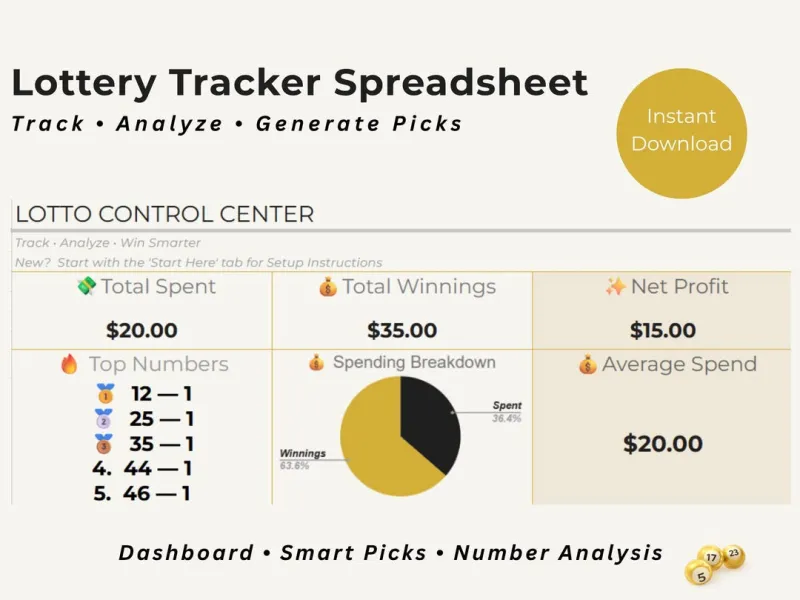
Photo: lottery number statistics spreadsheet analysis desk, via i.etsystatic.com
Every regular player has a system. Maybe it's a spreadsheet. Maybe it's a hunch about the number 23. Maybe it's your nan's car reg from 1987 that's "never let you down."
We're not here to mock anyone's nan. But we are here to put five of the most popular picking methods through a proper test — a full season's worth of draw data, run against each strategy, scored honestly. No mystique, no sales pitch, just what happened.
A quick disclaimer before we start: every draw is random and independent. Nothing below changes that, and no system can. What we can tell you is how each method behaves — how much effort it takes, how it feels to play, and whether its core claim holds any water at all.
The Contenders
- Hot Numbers — pick the most frequently drawn balls from recent months
- Cold Numbers — the opposite; back the neglected balls to come good
- Overdue Numbers — a cousin of cold, specifically targeting the longest droughts
- Wheeling Systems — a structured grid of numbers covering multiple combinations
- Pattern Plays — the visual approach: lines, diagonals and shapes on the playslip
1. Hot Numbers: Backing the In-Form Ball
The claim: balls on a hot streak stay hot.
What the data showed: over our season, the "hot" set — the top six most-drawn numbers from the previous three months — matched the overall random baseline almost exactly. Hot numbers stayed hot for a week or two, then cooled, then something else got warm. Chasing form in a lottery is like chasing form in a coin flip: the coin doesn't have form.
Fun factor: high. There's a genuine thrill in backing "the in-form ball," and hot-number threads are lively places. Effort: low if you use a stats page (we keep ours updated daily), moderate if you're doing it manually. Verdict: 6/10. Harmless, enjoyable, statistically meaningless.
2. Cold Numbers: The Believers' Choice
The claim: neglected balls are "building up" toward a win.
What the data showed: the cold set performed, drumroll... identically to the hot set. Which is to say, exactly like random. The most sobering stat of the whole exercise: a ball can go cold for 100+ draws and its odds on draw 101 remain precisely the same as ever. The balls don't know they're overdue. The balls don't know anything.
Fun factor: decent — there's a romantic, contrarian appeal to backing the underdog. Effort: low. Verdict: 5/10. Emotionally satisfying, mathematically inert.
3. Overdue Numbers: Cold's Pushier Cousin
The claim: track the longest droughts and play those specifically.
What the data showed: same story, stricter discipline. Our overdue tracker flagged three balls with droughts of 70+ draws early in the season. One of them came in within a fortnight — cue brief, irrational euphoria in the office — and then nothing for the remaining five months. The other two stayed stubbornly absent all season. That's randomness doing its thing: it hands you a hit to keep you believing, then goes quiet.
Fun factor: high during the drought-breaking moment, low during the subsequent five months. Effort: moderate — you need to track droughts properly. Verdict: 5/10. A nice story, not a system.
4. Wheeling Systems: The Spreadsheet Special
The claim: by playing a structured wheel of, say, eight numbers across multiple lines, you guarantee smaller wins if enough of your pool comes up.
What the data showed: this is the only method where the maths is genuinely on your side — sort of. Wheels do guarantee that if, say, five of your eight numbers are drawn, you'll have a line matching four. That part is true. What the wheel doesn't change is your odds of getting those five numbers in the first place. And it costs you: our test wheel of eight numbers required six lines per draw. Over a season, that's six times the stake for a modest improvement in small-win frequency. Our wheel produced more small prizes than any other method — and a significantly bigger overall loss.
Fun factor: surprisingly high if you like spreadsheets; our data guy was insufferable for a fortnight. Effort: high. Verdict: 6/10. Real maths, real costs, no edge on the big prize.
5. Pattern Plays: The Playslip Artists
The claim: marking lines, diagonals or shapes improves your chances because "the machine doesn't care about patterns but the universe does." (Actual quote from a forum. We're not naming names.)
What the data showed: our pattern lines — a diagonal, a border and a big X — matched random performance exactly, because of course they did. There is one genuine observation worth making, though: pattern players tend to avoid the obvious 1-2-3-4-5-6 and birthday clusters, which means if they do win, they're marginally less likely to share the jackpot. That's not an odds improvement — it's a prize-splitting hedge. A subtle but real point in its favour.
Fun factor: very high. Drawing an X on a playslip never stops being slightly silly and slightly joyful. Effort: minimal. Verdict: 7/10 for fun, 0/10 for physics.
So Does Strategy Beat Chance?
Honest answer: no. Every method landed on the same underlying odds, because every draw is an independent random event and no amount of hot streaks, droughts or diagonal Xs changes that. We've said it before and the season's data said it again: your 'due' number isn't due.
But here's the nuance worth taking away. The methods scored very differently on enjoyment and effort, and if you're going to play regularly anyway, there's no shame in picking the approach that makes the ritual more fun. Wheeling if you love a spreadsheet. Pattern plays if you love a bit of theatre. Hot numbers if you enjoy having a dog in the fight.
The one genuinely sensible takeaway from the whole exercise? Whatever system you use, consider avoiding ultra-common picks like sequences and pure birthday clusters — not to win more often, but to win alone more often, if that lucky day ever comes.
Play for the buzz, keep it affordable, and treat every system as entertainment with a spreadsheet attached. The numbers don't remember. But the banter's free.